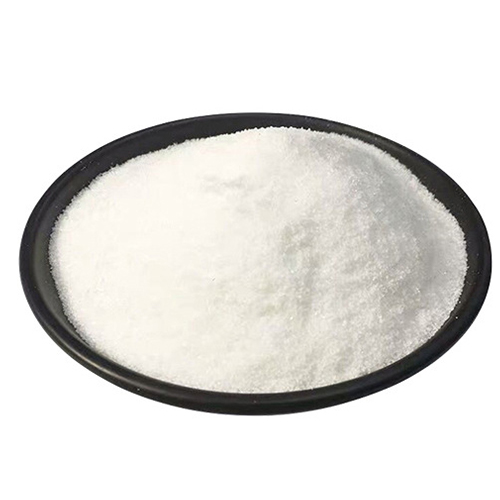


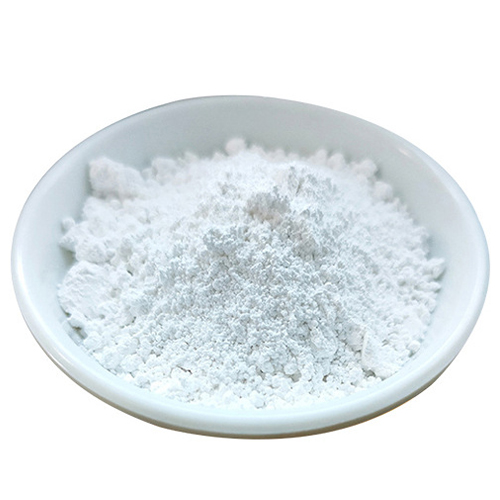
Chlormequat choride is the antagonist of gibberellin, its main function is to inhibit the biosynthesis of gibberellin, it can inhibit cell elongation without affecting cell division, and inhibit the growth of stems and leaves without affecting the development of sexual organs, so as to realize the control of excessive growth, anti- Lodging, the purpose of increasing production. However, Chlormequat choride is a highly active plant growth regulator. Do not use Chlormequat choride if the fertility is poor and the growth is not vigorous.
It can enter plants through leaves, twigs, buds, roots and seeds, inhibit the biosynthesis of gibberellin in plants, control the excessive growth of plants, promote reproductive growth, shorten the internodes of plants, grow strong, develop root systems, and resist lodging. The leaf color deepens, the leaves thicken, the chlorophyll content increases, photosynthesis is enhanced, crop resistance is improved, quality is improved, and yield is increased.
Applications de la Chlormequat choride
Used on cotton, wheat, rice, corn, tobacco, tomato, fruit trees and various root crops, it can resist lodging, promote crop growth, increase yield by 10% to 30%, and increase potato tubers. Can be used in saline and slightly acidic soils. It is widely used as a plant growth regulator. Its main function is to slowly inhibit the division of the lower part of the apex of various crops, resulting in thick stems, shortened internodes, shorter plants, developed root systems, widened and thickened leaves, dark green leaves, and a strong effect on flowers. , leaves and later growth without deformity.
Chlormequat choride can be used in most food and economic crops, vegetables, etc., such as corn, rice, tobacco, potato, tomato, and has a good effect of increasing production. Cotton is sprayed with 20-50 mg/L medicine for the second time at the bud stage, and wheat is sprayed with 0.15%-0.3% medicine solution, and the seeds are soaked for 6-12 hours. For sorghum, rice, soybean, tomato, etc., use 200-500 times of 50% water agent to spray in the suitable period.
Chlormequat choride is an excellent plant growth regulator, which can be used in crops such as wheat, rice, cotton, tobacco, corn and tomato, to inhibit the elongation of crop cells, but not to inhibit cell division, which can make plants shorter and stems shorter. Thick, leaves turn green, can make crops resistant to drought and waterlogging, prevent crops from growing excessively and lodging, resist salinity and alkali, prevent cotton from dropping bolls, and increase potato tubers.
How to use Chlormequat choride
Chlormequat choride is an antagonist of gibberellin, which can enter the plant through leaf twigs, buds, roots and seeds. The mechanism of action is to inhibit the biosynthesis of gibberellin in the plant. Its physiological function is to control the excessive growth of the plant, promote reproductive growth, shorten the internode of the plant, grow short, strong, thick, develop the root system, resist lodging, and deepen the leaf color at the same time 1. Thickened leaves, increased chlorophyll content, enhanced photosynthesis, increased fruit set rate of some crops, improved quality, and increased yield.
(1) The use of Chlormequat choride in cotton can inhibit the excessive growth of cotton, increase buds and protect peaches. Use 2 milliliters of 50% Chlormequat choride aqua per mu, mix with water and spray evenly. For cotton fields with excessive growth or high density, spray the pesticide twice, the first time at the initial flowering stage, and the second time at the full flowering stage. In the cotton fields without excessive growth in the early stage, spraying is not required at the bud stage, and spraying only once before the closure can save the attention and reduce autumn buds, which is equivalent to chemical pruning.
(2) To prevent the wheat from lodging, use 25-50 ml (0.5-1 tael) of 50% Chlormequat choride per acre before the winter wheat turns green and joints, or when the spring wheat starts jointing, spray it evenly with water. It is required to spray twice. Yield-increasing effect can resist lodging, increase tillering, promote the differentiation of young panicles, increase the number of panicles, grain weight and thousand-grain weight. (3) To prevent rice lodging, use 300 times of 50% Chlormequat choride water solution to spray once at the end of rice tillering, which can make rice grains plump and increase yield.
(3) For soybeans, spray 200-300 times liquid of 50% Chlormequat choride on soybean leaves, which can increase the number of beans and reduce pods, and can play the role of drought resistance, cold resistance, salt resistance and yield increase. .
(4) For corn, sorghum and millet, soak the seeds for 6 hours with 100 times of 50% Chlormequat choride water solution, remove and dry in the shade for sowing.
(5) For potatoes, spray 200-300 times of 50% Chlormequat choride solution on the leaves to increase yield and improve stress resistance.
(6) For apple saplings, spray with 0.5% to 1.5% concentration of 50% Chlormequat choride water solution, from early July to early August, spray once every 15 days, and spray 3 times in total, which can promote new shoots Thickened, shortened internodes, dark green leaves, thickened and widened leaves, enhanced cold resistance, and conducive to safe overwintering.
(7) For grapes, spray with 50% Chlormequat choride water solution 500 times, which can inhibit the growth of auxiliary shoots, promote fruit order, and increase fruit setting rate and fruit weight.
Precautions for Chlormequat choride
1 The water and fertilizer conditions are good, and the effect is better when the population has a tendency to grow excessively, but the soil conditions are poor and the growth is not vigorous, and Chlormequat choride cannot be used.
2 Ingestion of 50% Chlormequat choride water by mistake can cause poisoning. General first aid measures and symptomatic treatment can be used for the poisoned person. Those with obvious muscarinic symptoms can be treated with atropine.
3 Chlormequat choride is slightly toxic to humans and animals, so it cannot be stored together with food, and should be stored in a cool and ventilated place.
4 Generally, cotton or wheat without excessive growth tendency should not be used. Cotton medication should not be too early or too high, so as not to inhibit the plants too much or too early and affect the normal growth. Spraying wheat should not be too late, so as not to inhibit growth and affect yield.
5 It can be mixed with 1605 and dimethoate, but not with alkaline drugs.
Paquet de Chlormequat choride
Nous fournissons également des accessoires pour ajouter des fonctions supplémentaires à l'intention des utilisateurs finaux, ce qui aide également nos distributeurs et nos partenaires commerciaux à vendre nos produits dans leur région. N'hésitez pas à nous faire part de vos besoins en matière d'emballages spéciaux.
Grand paquet :
Solide : fûts en fibre de 25 kg approuvés par l'ONU avec doublure en LDPE ;
Liquide : fûts en PEHD ou en fer de 200 litres approuvés par l'ONU.
Emballage de détail :
Solid: 10g;50g;100g;500g;1kg;5kg;25kg
Techspecs
|
Name |
Chlorure de chlorméquat |
| Formule |
C5H13Cl2N |
|
MoleculaireWhuit |
158.07 |
| EINECS N0. |
213-666-4 |
|
Melting Point |
239-243 °C (dec.)(lit.) |
| Point d'ébullition |
260.3°C (rough estimate) |
|
État physique |
solid |
| Couleur |
White |
|
La pureté |
|
| Paquet |
Tonneau en carton de 25 kg |
|
Application |
Agriculture |
| Sstockage |
Ventilation séchage à basse température |
|
Sample |
Disponible |
| EXP |
2 ans |