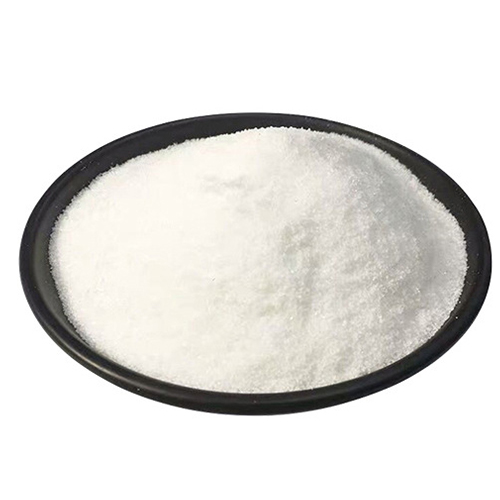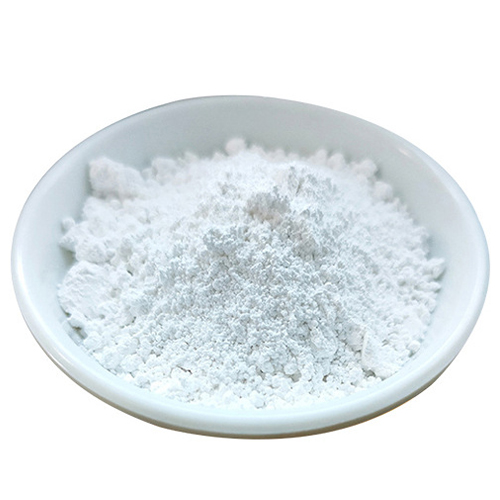


Glufosinate-ammonium is a non-selective foliar-spraying organophosphorus herbicide. The herbicidal mechanism of glufosinate-ammonium is that it has a partial systemic effect after being absorbed by the leaves, and can be transferred from the base to the end of the leaves to other parts of the plant. Transfers less and is harmless to unearthed young shoots and seeds. The ammonium metabolism in the plant is in disorder in a short period of time after the application of the pesticide, and ammonium ions, a strong cytotoxic agent, accumulate in the plant, causing the plant to poison and die. At the same time, photosynthesis is also severely inhibited, and the affected plants turn yellowish-white after losing chlorosis, and begin to wither and die after 2 to 5 days. Loss of activity after contact with the soil, only suitable for post-emergence stem and leaf spray.
Glufosinate-ammonium mechanism of action
When glufosinate-ammonium is sprayed on plants, it can be quickly absorbed into the body through stems and leaves, and conducts in the xylem relying on plant transpiration. However, it will be rapidly decomposed by the microorganisms in the soil after it contacts the soil, so the root absorbs little or no absorption of glufosinate-ammonium. the
The action of glufosinate-ammonium is related to glutamine synthetase, which catalyzes the synthesis of glutamine from glutamic acid and ammonium ions during nitrogen metabolism in plants. When glufosinate-ammonium enters the plant, it can combine with ATP and occupy the reaction site of glutamine synthetase, thereby irreversibly inhibiting the activity of glutamine synthetase and destroying a series of subsequent metabolic processes.
Caraterísticas de Glufosinato-amónio
Glufosinate-ammonium has the characteristics of broad herbicidal spectrum, low toxicity, high activity and good environmental compatibility, and its activity speed is slower than that of paraquat and better than that of glyphosate. As a non-selective herbicide coexisting with glyphosate and paraquat, the application prospect is broad. Many weeds are sensitive to glufosinate and can be used as an alternative to glyphosate in areas where glyphosate is resistant
Applications of Glufosinate-ammonium
Because glufosinate-ammonium has the characteristics of wide herbicidal spectrum, rapid inactivation and degradation in soil, and low toxicity to non-target organisms, crops can be made resistant to glufosinate-ammonium through transgenic technology, so that glufosinate-ammonium can selectively Kills weeds without harming crops. The researchers of Aigefu Company isolated the bar gene from the strain of Streptomyces hygroscopicus and the pat gene from the strain of Streptomyces viridans. These two genes have 80% homology, and both can encode glufosinate-ammonium acetylase, which can acetylate glufosinate-ammonium and inactivate it. The transfer of these two resistance genes in crops can make the crops express glufosinate-ammonium acetylase, inactivate the glufosinate-ammonium entering the crops, and reduce the harm of glufosinate-ammonium to crops.
The glufosinate-ammonium resistance gene has been introduced into more than 20 crops such as rice, wheat, corn, sugar beet, tobacco, soybean, cotton, potato, tomato, rapeseed, sugarcane, etc., and the glufosinate-resistant crops have been successfully commercialized The Liberty Link series covers almost all major crops. Bayer CropScience, Dow AgroSciences, and Monsanto have continuously developed glufosinate-resistant transgenic crops, bringing huge market growth to glufosinate.
Glufosinate-ammonium has a wide herbicidal spectrum, and it has a good control effect on almost all annual or even perennial weeds in most farmland. It can be used in orchards, vineyards, potato fields, non-cultivated land, etc. to control annual and perennial dicotyledonous and gramineous weeds, such as sagegrass, crabgrass, barnyardgrass, wild barley, wild wheat, wild corn, dandelion and other broad-leaved weeds Weeds, also has some effect on sedges and ferns.
Spray 0.7-1.2 kg/hectare on the weed population when the broad-leaved grass is growing vigorously and at the beginning of tillering for gramineous weeds. Extended validity period. Potato fields should be applied before budding, or sprayed before harvesting to kill stubble on the ground and facilitate harvesting. To control ferns, the dosage is 1.5-2 kg per hectare. It is generally used alone, and sometimes it can be used in combination with simazine, diuron or 2-methyl-4-chlorine.
Pacote de Glufosinato-amónio
Também fornecemos alguns acessórios para adicionar mais funções para conveniência dos utilizadores finais, o que também ajuda os nossos distribuidores e parceiros de negócios a vender os nossos produtos na sua área. Se tiver alguma necessidade especial de embalagem, não hesite em contactar-nos.
Embalagem grande:
Sólido: Tambores de fibra de 25Kg com aprovação UN e revestimento LDPE;
Líquido: bidões de PEAD ou de ferro de 200L com aprovação da ONU.
Embalagem para venda a retalho:
Solid: 10g;50g;100g;500g;1kg;5kg;25kg
Especificações técnicas
|
Name |
Glufosinato-amónio |
| Fórmula |
C5H18N3O4P |
|
Molecular Weight |
215.19 |
| EINECS N0. |
278-636-5 |
|
Melting Point |
210°C |
| Ponto de ebulição |
519℃ |
|
Estado físico |
crystallizesolid |
| Cor |
Branco |
|
Pureza |
95% |
| Embalagem |
25kg Cardboard barrel |
|
Aplicação |
Agricultura |
| Storage |
Ventilação secagem a baixa temperatura |
|
Sample |
Disponível |
| EXP |
2 anos |